zorba the greek

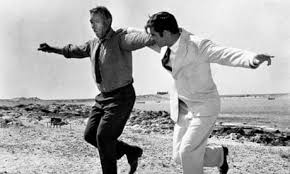
zorba the greekThe Zorba the Greek dance, also known as the *sirtaki*, is a popular and iconic Greek dance that was popularized by the film adaptation of Nikos Kazantzakis’s novel “Zorba the Greek” in 1964.

The dance is synonymous with the character of Zorba, portrayed by Anthony Quinn in the film, and has become a symbol of Greek culture and heritage.

Here’s an overview of the dance:

– **Origins:** Although the dance is associated with the character of Zorba, the *sirtaki* is not a traditional Greek folk dance but was created specifically for the film. It was choreographed by Greek dancer Giorgos Provias.

– **Music:** The dance is set to the famous instrumental piece “Zorba’s Dance,” composed by Mikis Theodorakis for the film. The music starts slowly and gradually increases in tempo, mirroring the energy and intensity of the dance.

– **Choreography:** The dance begins slowly and builds up in speed and complexity. It combines elements of both slow and fast traditional Greek dances such as the *hasapiko* and *hasaposerviko*. The dancers often form a line, holding each other’s shoulders or arms, and move in unison.

– **Symbolism:** The dance is seen as a celebration of life and the joy of the moment. It captures the essence of the character of Zorba, who embodies a love for life, spontaneity, and the ability to live in the present.

– **Cultural Impact:** The dance has become a cultural phenomenon and is performed at Greek celebrations, festivals, and events around the world. It is often seen as a representation of Greek hospitality and joie de vivre.

Zorba the Greek dance is a captivating and energetic performance that brings together music, movement, and cultural heritage. It continues to be a beloved part of Greek culture and is recognized globally.