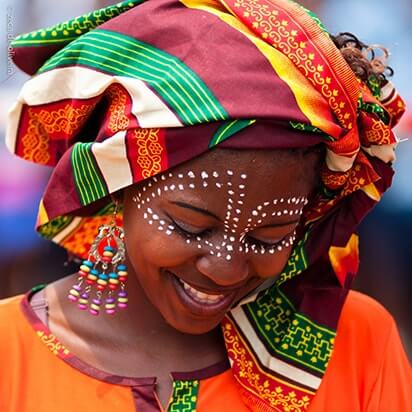
Mozambique culture

Mozambique cultureMozambique culture is a rich tapestry of influences, shaped by its history, geography, and diverse population. The country is home to over 20 ethnic groups, each with its own traditions, languages, and customs. This cultural diversity is evident in various aspects of life in Mozambique, including music, dance, art, cuisine, and religion.

Music and Dance: Music and dance play a central role in Mozambican culture. Traditional music often features drums, percussion, and string instruments like the timbila (a xylophone-like instrument). Popular dance forms include the Marrabenta, a lively dance originating from the south, and the Makua, a rhythmic dance from the north.

Art and Crafts: Mozambican art is vibrant and expressive, with a strong emphasis on storytelling and tradition. Local artisans create intricate sculptures, wood carvings, pottery, and textiles. The colorful patterns and designs often reflect the country’s cultural heritage.

Cuisine: Mozambican cuisine is a flavourful fusion of African, Portuguese, and Indian influences. Seafood is a staple, with prawns, fish, and shellfish being particularly popular. Other traditional dishes include peri-peri chicken, matapa (a dish made with cassava leaves and ground peanuts), and xima (a maize porridge).

Religion and Spirituality: The majority of Mozambicans practice Christianity, with Roman Catholicism and Protestantism being the most common denominations. However, traditional African beliefs and practices remain influential, particularly in rural areas.

Languages: Portuguese is the official language of Mozambique, a legacy of the country’s colonial past. However, there are several indigenous languages spoken across the country, including Makua, Sena, and Tsonga.

Festivals and Celebrations: Mozambique’s cultural calendar is filled with vibrant festivals and celebrations. These events often include music, dance, and traditional rituals. Popular festivals include the Marrabenta Festival in Maputo and the Maputo International Film Festival.

Family and Community: Family is a central pillar of Mozambican society, and communities are tight-knit. Respect for elders and communal living are important aspects of the culture.

History and Heritage: Mozambique’s history, including its struggles for independence, has shaped its culture. Museums and historic sites across the country offer insights into Mozambique’s past and its journey to the present.

Mozambique culture is a unique blend of traditions and influences, making it a fascinating destination for travelers interested in exploring its heritage and experiencing its vibrant way of life.

  • Mozambique Beach Vacation

    Mozambique is a beautiful country located in south-eastern Africa, bordered by Tanzania, Malawi, Zambia, Zimbabwe, Swaziland, South Africa, and the Indian Ocean. The country is best known for its stunning beaches, rich culture, and unique cuisine. It is a popular tourist attraction that offers a wide range of activities and experiences for visitors to enjoy….