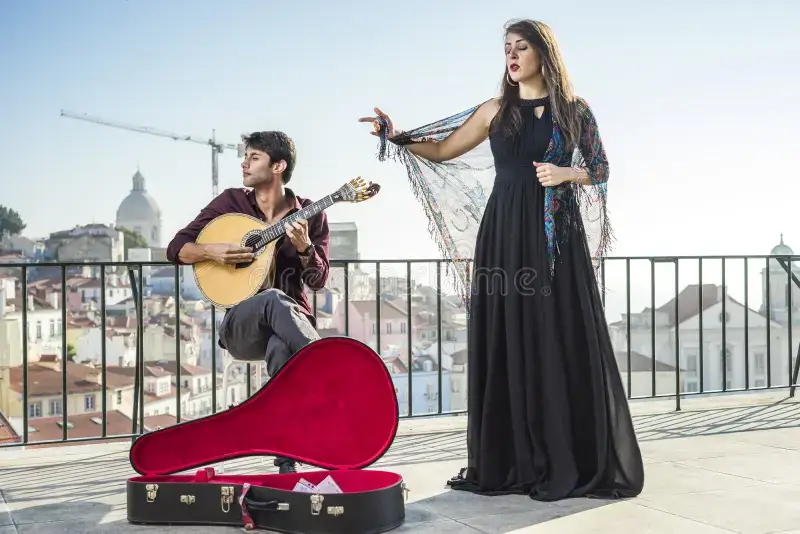
Fado show

fado singer PortugalA Fado show, is a traditional music genre from Portugal that is known for its soulful, melancholic sound and emotionally charged lyrics.

The term “fado” comes from the Portuguese word for “fate” or “destiny,” and the music often deals with themes such as longing, love, loss, and the passage of time. Fado is considered one of Portugal’s most important cultural treasures and has a rich history that spans centuries.

Origins and History: Fado’s exact origins are unclear, but it is believed to have emerged in the early 19th century in the working-class neighborhoods of Lisbon, particularly in areas like Alfama and Mouraria. The genre likely has influences from various musical traditions, including Moorish, African, and Brazilian styles. Initially, fado was associated with sailors and the urban poor, who used the music to express their hardships and emotions.

Characteristics: Fado is typically performed by a singer (known as a fadista) accompanied by a classical guitar and a Portuguese guitar, a distinctive instrument with a pear-shaped body and 12 strings. The music is characterized by its intricate melodies, haunting vocals, and poignant lyrics that evoke a deep sense of saudade—a Portuguese word that encompasses a complex mix of longing, nostalgia, and melancholy.

Notable Artists: One of the most famous fadistas of all time is Amália Rodrigues, often referred to as the “Queen of Fado.” Her powerful voice and emotive performances brought international recognition to the genre. Other notable artists include Carlos do Carmo, Mariza, and Ana Moura, who have all contributed to keeping the tradition of fado alive while also bringing their unique styles to the genre.

Modern Fado: In recent years, fado has experienced a resurgence in popularity both in Portugal and abroad. Modern fadistas often blend traditional elements with contemporary influences, creating a fusion that appeals to a broader audience. This evolution of the genre has helped maintain its relevance while honoring its historical roots.

Cultural Significance: In 2011, UNESCO recognized fado as an Intangible Cultural Heritage of Humanity, highlighting its importance as a cultural expression and its role in preserving Portuguese heritage. Fado remains a beloved and iconic part of Portugal’s cultural identity, with performances held in traditional fado houses (casas de fado) and concerts around the world.

In summary, fado is a deeply emotional and evocative music genre that has captivated audiences for generations. Its haunting melodies and poignant lyrics continue to resonate with listeners, making it a cherished part of Portugal’s cultural landscape.

Book your Fado Show Tickets HERE!

  • Unlocking Lisbon in 3 Days

    Nestled along the sun-kissed shores of Portugal, Lisbon beckons with its vibrant culture, historic charm, and culinary delights waiting to be savoured. Embarking on a journey to this enchanting city is like stepping into a living postcard, where every corner reveals a new chapter of its storied past. From the winding alleys of Alfama to…

  • Exploring Portugal

    From the South to the North, exploring Portugal took us through the vibrant streets of Lisbon, the sun-kissed beaches of the Algarve, the majestic charm of Porto, and the hidden gems of Nazaré, Aveiro, Braga, and Coimbra. With each step, we immersed ourselves in a symphony of culture, cuisine, and captivating sights. Having made plans…