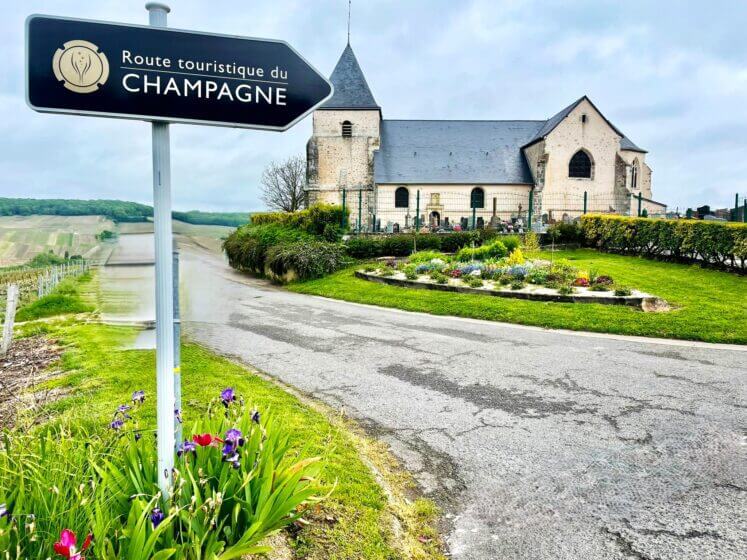
Champagne Region

Champagne Region
The Champagne region in northeastern France is world-renowned for its sparkling wine, also named Champagne. 

1. **Geography and Climate**:
– Champagne is located around 90 miles northeast of Paris and is primarily situated within the administrative region of Grand Est.
– The region’s climate is cool and continental, with chalky soils and gently rolling hillsides, ideal for cultivating grapes, particularly Chardonnay, Pinot Noir, and Pinot Meunier—the three main grape varieties used in Champagne production.

2. **History and Heritage**:
– The region’s winemaking heritage dates back to Roman times, with vine cultivation intensifying during the Middle Ages, especially under the influence of local monastic orders.
– Champagne’s sparkling wine-making tradition emerged in the 17th century, initially as a result of accidental secondary fermentation in the bottle. This method was refined over time, leading to the creation of the méthode champenoise, now known as the traditional method.
– The region has played a significant role in French history, serving as the site of coronations for French kings in Reims’ Cathedral of Notre-Dame.

3. **Champagne Production**:
– Champagne production is strictly regulated by French law to ensure quality and authenticity. Only grapes grown within the designated Champagne region and produced according to specific methods can legally be labeled as Champagne.
– The méthode champenoise involves a secondary fermentation in the bottle, creating the characteristic bubbles associated with Champagne.
– The region is home to numerous prestigious Champagne houses, including Moët & Chandon, Veuve Clicquot, and Dom Pérignon, as well as many smaller, family-owned producers.

4. **Tourism and Culture**:
– The Champagne region attracts visitors from around the world who come to explore its vineyards, cellars, and historic sites.
– Cities like Reims and Epernay serve as gateways to the region, offering opportunities for guided tours of Champagne houses, tastings, and visits to landmarks like the Cathedral of Notre-Dame in Reims.
– The region’s cultural heritage is celebrated through events like the Fête des Vendanges de Montmartre and the UNESCO-listed Avenue de Champagne in Epernay.

5. **Economic Significance**:
– Champagne production is a vital part of the region’s economy, providing employment and driving tourism.
– The global demand for Champagne continues to grow, with the region exporting its sparkling wine to markets worldwide.

Overall, the Champagne region’s history, heritage, and dedication to quality have cemented its reputation as the preeminent producer of sparkling wine, making it a must-visit destination for wine enthusiasts and history buffs alike.

  • Exploring the Champagne Region

    Nestled in the picturesque landscapes of France, lies a region that sparkles with sophistication and effervescence – the enchanting French Champagne region. To celebrate a good friends 50th, we were invited to Champagne. The location had been on her bucket list for a while and it was a good excuse to get the friends together…