
I remember the moment I discovered the Portuguese D7 Visa — a pathway that didn’t require a job offer, corporate sponsorship, or complicated relocation plans. Instead, it welcomed people like me: individuals with stable passive income who dream of a peaceful, fulfilling life in one of Europe’s safest and most vibrant countries. If you’ve been thinking about relocating to Portugal, the D7 Visa may be the easiest and most empowering way to make that dream a reality. And with the Fast-Track D7 Process, it’s now quicker, simpler, and more stress-free than ever to get started. Below, I’ll walk you through exactly what the D7 Visa is, who it’s designed for, what you’ll need, and how you can take your first step today
What Is the D7 Visa?
The Portuguese D7 Visa — established under Article 58(1) of Law No. 23/2007 and detailed in Article 24(d) of Regulatory Decree No. 84/2007 — is a residence visa for foreigners who earn a stable passive income.
This income can come from:
Pensions
Property rental income
Dividends
Interest or investments
With this visa, you can enter Portugal and apply for a residence permit that grants you nearly all the same rights as any Portuguese resident
Why the D7 Visa Matters
Once you obtain your D7 Visa and convert it into a residence permit in Portugal, you gain access to a range of benefits, including:
Education and schooling
Right to work as a contract employee
Right to work as self-employed
Career guidance and training programmes
Access to Portuguese courts and legal systems
It’s an incredibly generous and flexible program that offers not only residency but also long-term stability. After 5 years, you may even apply for permanent residency or Portuguese citizenship.
Who Can Apply?
This visa is ideal for you if:
You’re a non-EU citizen
You receive a stable passive income (pension, rent, dividends, interest, etc.)
You’re ready to transfer the required income into a Portuguese bank account
You want the freedom to live, work, and build a long-term life in Portugal
Minimum Required Income (12 months)
According to Administrative Rule 1563/2007:
First adult: €12,180
Additional adults: €6,090 each
Each child: €3,654
If you meet these thresholds, you already qualify for one of Europe’s most inviting residency options.
What’s the D7 Visa Process?
The steps to securing your D7 Visa are straightforward — especially with our fast-track support:
1. Apply at Your Local Portuguese Consulate
Your D7 Visa is valid for four months. During this period, you must travel to Portugal to apply for your residence permit.
2. Prepare Your Documents
You should have:
Proof of passive income
Proof of accommodation (rental contract recommended)
A Portuguese bank account, if possible
3. Arrive in Portugal
Once you arrive, you’ll schedule a biometric appointment with AIMA to submit fingerprints and photos.
4. Receive Your Residence Permit
Your first residence card is valid for 2 years, renewable for 3 more years.
5. Bring Your Family
After receiving your temporary residence permit, you may apply for family reunification.
6. Long-Term Residency or Nationality
After 5 years, you can apply for permanent residency or even citizenship.
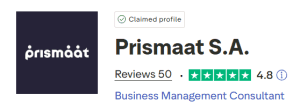
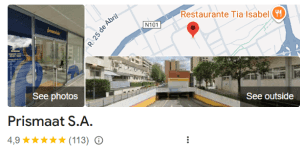
Why Choose Prismaat for Your D7 Visa Journey
We did the D7 Visa application process on our own, but now I wish I had know about the services Prismaat provides. which is why TGA has now become a partner.
Their team doesn’t just understand Portuguese immigration law — they specialize in guiding applicants through the D7 Visa from start to finish with clarity, speed, and absolute professionalism.
Prismaat offers a complete D7 Visa service, making them one of the most reliable and experienced teams in Portugal for passive-income residency applications. Here’s what they help with:
- Fast-Track Application Support: They streamline the entire process so your application moves quickly and without unnecessary delays.
- Document Preparation & Review: From income verification to accommodation proof, they check every document to prevent errors.
- Banking & NIF Assistance: They help you obtain your Portuguese NIF and open a local bank account — two essential steps for the D7 Visa.
- Accommodation Guidance: If you need a rental contract to meet visa requirements, Prismaat points you in the right direction.
- Consulate Appointment Prep: They ensure you know exactly what to expect during your consular appointment.
- Post-Arrival Support: Once you land in Portugal, they guide you through the AIMA biometric appointment, residency card issuance, and next steps.
- Family Reunification Assistance: When you’re ready to bring loved ones over, they handle the reunification process smoothly.
With Prismaat, you’re not navigating Portuguese bureaucracy alone — you’re backed by experts who understand every step, every requirement, and every potential challenge before it even appears.
What are the D7 Visa Fast Track Costs?
Depending on your situation, the fee’s start at €3000.00 for an individual and increase slightly if you are a couple or have dependents.
The great thing is that you only pay 40% to get the ball rolling, another 20% when you have your D7 interview and the balance after your residency card has been issued.
Testimonials
“The Prismaat fast-track service was honestly life-changing. I had no idea where to start, but they took care of every detail. I received my D7 Visa in just a few weeks.”
— Michael R., USA
“The step-by-step guidance made everything so simple. The Prismaat team helped me open a bank account, secure accommodation, and prepare every document perfectly.”
— Sandra P., South Africa
“I was overwhelmed at first, but the fast-track process saved me months of stress. I’m now living in Portugal and loving every moment.”
— Daniel K., UK
Take the First Step Today
If you’ve ever dreamed of living in Portugal — the sunshine, the culture, the safety, the coastal lifestyle — then the D7 Visa is your gateway to a beautiful new life.
Don’t wait. Start now!
Complete the form below for a FREE no-obligation consultation…
Also see our article entitled Portugal D7 Residency Visa
D7 Visa FAQ
1. What is the Portuguese D7 Visa?
The D7 Visa is a Portuguese residency visa for non-EU citizens who earn stable passive income such as pensions, rental income, dividends, or investments. It allows long-term living in Portugal and can lead to permanent residency or citizenship after 5 years.
2. Who qualifies for the D7 Passive Income Visa?
You may qualify if you are a non-EU/EEA/Swiss citizen with provable passive income, valid accommodation in Portugal, and the ability to transfer funds into a Portuguese bank account. Meeting Portugal’s minimum income requirements is essential.
3. How much passive income do I need for the D7 Visa?
Portugal’s minimum annual income thresholds are:
€12,180 — first adult
€6,090 — additional adult
€3,654 — per dependent child
Higher income improves approval success, especially for families.
4. What counts as passive income for the D7 Visa?
Eligible passive income sources include:
Pensions and retirement funds
Rental income
Dividends
Interest or investment returns
Royalties
5. Do I need a Portuguese bank account for the D7 Visa?
Yes. While some consulates do not require it at the first stage, having a Portuguese bank account with sufficient funds significantly strengthens your application and is required for the residence permit stage.
6. Do I need a long-term rental contract in Portugal?
Most consulates require proof of accommodation. A 12-month rental contract is the most widely accepted option for D7 Visa approval.
7. How long does the D7 Visa process take?
Processing times vary by consulate, but applicants usually receive their visa within 6–12 weeks. Using a Fast-Track D7 Visa service can reduce delays by ensuring your documents are correct and complete.
8. What happens after I arrive in Portugal with the D7 Visa?
You must attend an AIMA biometric appointment to submit fingerprints, photos, and documents. If approved, you receive a residence permit valid for 2 years, then renewable for 3 more.
9. Can I work in Portugal with the D7 Visa?
Yes. D7 residents can work as employees or self-employed professionals, access Portuguese social services, and enjoy nearly all rights of local residents.
10. Can I bring my family on the D7 Visa?
Yes. After receiving your temporary residence permit, you can apply for family reunification for your spouse/partner, children, or dependent parents.
11. Can the D7 Visa lead to Portuguese citizenship?
Yes. After 5 years of legal residency, you can apply for:
Permanent residency
Portuguese citizenship (subject to language and legal requirements)
12. Do I need D7 Visa assistance or can I apply on my own?
You can apply independently, but many applicants use professional D7 Visa support to avoid delays, missing documents, or consulate rejections. Fast-track services help with banking, NIF, accommodation, application prep, and post-arrival steps.
13. How much does Fast-Track D7 Visa support cost?
Costs typically start at €3,000 for individual applicants and increase for couples or families. Flexible payment plans are available, with only 40% required upfront.
14. Is the D7 Visa better than the Portugal Digital Nomad Visa?
The D7 Visa is ideal for passive income earners and retirees, while the Digital Nomad Visa suits remote workers with active income. Both offer residency paths, but the D7 has more flexible income requirements and greater long-term stability.
15. How do I start my D7 Visa application?
You can begin by scheduling a consultation, gathering your passive income proofs, securing accommodation, and preparing documents for your local Portuguese consulate. Fast-track services can manage the entire process for you.